adsense code

Saturday, April 16, 2016

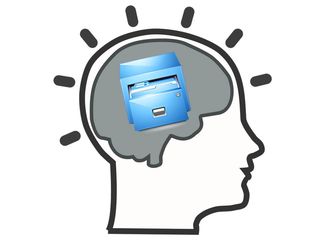
Confused? Organize Your Information

We all think with ideas and information that we hold in working memory. Working memory is like a scratch pad with a succession of content on the pad that is streamed into the brain's thinking apparatus. What is held on the working memory scratch pad is either retrieved from memory or inserted from real-time experience (like what you are reading or hearing).
W. R. Klemm
Source: W. R. Klemm
So, how does organization apply? As the brain seeks information to put on the scratch pad, it has to know where it is. Thinking is slow at best and possibly incoherent if ideas and information are located in disorganized repositories (such as sticky notes, memos, documents located randomly in different places. How can anyone keep a stream of coherent thought going if there is constant interruption trying to find the note or document one needs at each stage of thinking?
The other thing is that working memory has very limited capacity. Thus, when accessing notes and documents to use in thinking, the content needs to be easily extractable in small chunks. Here is an example that we can all relate to. Congress seems wedded to producing omnibus bills of some 2,000 or more pages. Even if legislators read the entire bills, they couldn't digest the content in any coherent way because the bills are not designed for thinking. No surprise then that we end up with incoherent, ineffective, and even destructive legislation.
Common Sense Methods for Organizing. The underlying principle should be to have a place for everything and put everything in its place. Examples:
  • Put important items (bills, car keys, purse, etc.) in their own same place.
  • Put sticky note reminders in key places.
  • Keep a calendar (but remember to check it each day).
  • Get a file cabinet and label the files in the most meaningful ways.
  • Have a tote bag or briefcase that always has in it what you need for the day.
Be proactive. If information of a given type accumulates over time, don't wait until the end to organize it. Organize as it goes along. For example, my federal tax information accumulates throughout the year. I don't wait until tax time to organize it. As bills, receipts, and the like come in during the year, I file them in file cabinet folders I have already set up for income tax return preparation. Come April, I can put all the information the tax accountant needs in a matter of a few minutes. And it reduces his time, which lowers my tax preparation bill.
Computer Methods. Computers give us access to enormous amounts of information. But the bad news is that the more information, the greater the need for good organization.
In the case of web-site addresses, most browsers have good systems for bookmarks, but after a couple years of saving bookmarks I find that I have not been sufficiently thoughtful as to how I set up folders and sub-folders.
For other kinds of information, the demand for organizational sophistication varies with the home and workplace workload. Here are a few, free, computer tools:

Tools that Synchronize Across Devices

  • One-Note On-line is included in Microsoft Windows. It allows creation of separate notebooks, and labeled "pages" within each notebook that accept separately pasted items that can be dragged about the page.
  • Evernote helps you keep all sorts of notes in topic-specific notebooks.
  • Google Docs is like Evernote, but is document focused.
  • Google Calendar helps you track events, set reminders, import appointments straight from Gmail, and is shareable.
  • Remember the Milk is a "to-do" reminder. It has specific apps for the web and multiple portable devices and you can connect it to multiple devices. It syncs with Outlook or Google mail.

Other Tools

  • TelePixie sends wake-up calls, reminders, and alerts to your mobile phone.
  • Sticky Notes comes with Microsoft Windows and is a computer version of the paper sticky notes you put on the refrigerator, walls, and elsewhere. You can keep the notes open all the time on the computer desktop or temporarily closed.
  • Stickies is a much more sophisticated system that runs on Windows. Unlike Sticky Notes which appear all at once on the desktop, Stickies notes are separately attached only to whatever document you are working on.
  • Flashcards provides a simple way to create flashcards with the information you are trying to learn and drill yourself to help make it stick in your mind.
  • WiseMapping is a mind mapping tool that provides you with an awesome way to keep notes in an organized fashion. Items in the map can have attached text commentary. Maps can be shared and exported in multiple formats.
Readers wanting to know more about how the brain works may be interested in Dr. Bill's recent book, Mental Biology (Prometheus).

Saturday, March 12, 2016

Could Your Brain Store All the Information on the Web?

The title sounds outrageous. But supporting data comes from research at the most prestigious Salk Institute. Other researchers had made enormous storage capacity estimates for brains, but this new estimate is 10 times greater. The estimate is on the order of petabytes, as much as the entire World Wide Web.

How does anybody come up with such estimates? What is the basic premise? First, memory is quantified in terms of number of bits of information that can be stored and recovered. In the case of brain, the question is how much information can be stored in a synapse, the communicating junction between neurons. Size and operational strength of a synapse are the key variables: strength can be measured in bits and strengths correlate with umber and size synaptic size. Under high magnification, synapses look like a bunch of beads on a string. The newborn brain, there are relatively few “beads,” but these increase in number and size as the baby grows and learns things. Sadly, in old age, many of these beads disappear unless the brain is kept very active.

In the Salk study of rat brains, electron micrographs of the memory-forming structure, the hippocampus, allowed 3-D reconstruction and detection of the diameters of synapses, which are the target synaptic structures in neurons. Synaptic strength correlates with storage capacity, and the strength is measured by the size of synapses, which appear as a round bead attached to  a stalk or neck to the supporting neuronal membrane. The size of the bead varies with synaptic strength because synaptic strength is created by more molecular machinery for mediating synaptic communication. Thus, spine bead size is a proxy for synaptic strength and storage capacity.

The investigators found that a small cube of brain tissue contained 26 different bead sizes, each associated with a distinct synaptic strength. The authors state that this equates to an approximate 4.7 bits of information at each synapse. Multiply 4.7 times the trillions of synapses and neurons in the brain and you get phenomenal storage capacity.

While I marvel at the elegant complexity of these research methods, I think the interpretations are a bit simplistic. There are some caveats that the authors overlooked. For one, an assumption is made that that the number of storage bits equals the logarithm of the number of bead sizes. The “bit” is a unit of information in digital communications. Information theory holds that one bit is the probability of a binary random variable that is 0 or 1, or more loosely defined as present or absent. One has to take some liberties to apply this concept to memory storage in brain, because the brain is not a digital computer. It is an analog biological computer.

Then there is the problem that the hippocampus deals only with forming declarative and episodic memories, not procedural memories like touch typing or playing the piano. Thus, the storage capacity, whatever it is, is not estimated for procedural memories. Secondly, declarative and episodic memories are not stored in the hippocampus, but rather stored in a distributed fashion throughout the brain. Since synaptic measures were made only on hippocampal tissue, there are no data for the rest of the brain.

But there is a larger issue. How does one know how many bits it takes to represent different memories? Not all memories are the same and surely they don't all require the same number of storage bits.

Actually, the exact number of bits of information that brains can store is rather irrelevant. By any measure, common experience teaches that nobody utilizes all their memory capacity. Moreover, the amount of information a given person stores varies profoundly depending on such variables as motivation to remember things, use of mnemonics, and level of education. The question that needs answering, given that we have vast amounts of unused storage capacity, is "Why don't we remember more than we do?"  Books like my Memory Power 101 provide some practical answers.

Source:


Bartol, Thomas M. et al. (2015).  Neuroconnectomic upper bound on the variability of synaptic plasticity.  eLIfe. Nov. 30. http://dx.doi.org/10.7554/eLife.10778

Wednesday, February 03, 2016

Training the Brain to Control Negative Emotions

The human brain contains a distinct network that serves as its executive agent. This network is primarily based in the dorsolateral prefrontal, parietal, and cingulate cortices. It regulates the many “top down” neurobehavioral functions that are so characteristic of human brain. Deficiencies in the function of this network underlie numerous neuropsychiatric conditions, but even underlie much of the failings of us all. The ability to regulate emotions and direct rational actions is typically associated with success in life, and inability to do so often leads to dire consequences.
This network can be trained to develop more robust capacity for executive control. This, as we all experience, is what parenting and schooling are about. Such training is especially crucial in early childhood when the challenges of school are first encountered. Even so, such training takes many years and for most of us may never be completed.
The question arises: can such executive control training be expedited? One possibility has recently arisen from several studies showing that working memory capacity can be expanded by a relatively short training time, and in the process general intelligence may be improved. Since the same system that determines intelligence is also operative in executive control, it seems reasonable that working memory training might also enhance executive control. To pursue this possibility in a specific context, researchers have hypothesized that inappropriate or maladaptive behaviors might be reduced by effective working memory training based on emotion-laded stimuli.
In a study by Suaznne Schweizer and colleagues in England, subjects in their early 20s were assessed for emotional control before and after 20 training days of 20-30 minute sessions. The experimental groups received dual n-back training with a simultaneously presented face and a word that was either emotionally negative or neutral. After each picture-word pair, subjects were to press a button to indicate if either or both members of the pair matched the stimulus presented n-positions back. Tests began with n = 1 and increased as subjects gain proficiency.
Not surprisingly, errors in both trained and untrained subjects increased at levels beyond n = 1, and the error rate was comparable for both groups. Results also indicated that subjects reported less distress when they consciously willed to suppress the distress compared with the null state of just attending to negative stimuli. But this distress reduction occurred only in the emotional working memory training group.
No change in neural activity levels was indicated in brain scans as a result of placebo training, but significant increases occurred in the executive control regions of interest as a result of emotional working memory training, irrespective of the level of n-back achievement.
The study also compared emotional responsivity before and after training. Subjects were asked to just pay attention or to pay attention and cognitively suppress their emotional reaction. Subjects rated their emotions on a numerical scale from negative to positive while viewing films that were emotionally neutral (such as weather forecasts) or that were emotionally disturbing (such as war scenes, accidents, etc.). Training caused no change in the group that viewed only neutral images, but in the groups viewing disturbing scenes, training decreased the perceived distress in a group told just to attend the scenes and was even more effective in the group told to suppress emotional reaction.
The emotional working memory training produced benefits that transferred to the emotional response task. Trained subjects not only regulated their emotions better but also developed greater brain-scan activity during the emotional task in the predicted brain regions of interest, the executive control loci. In other words, the training actually changed brain function on a lasting basis. Traditionally, we have always thought that the sole benefit of n-back memory training is to expand the amount of information that can be held in working memory. But now we see that such training can improve our ability to control emotions. Emotional working memory training improves the ability to suppress disturbing emotional responses and does so presumably because the executive control network is more activated. Thus, such training might also enhance many executive control functions, particularly responses to emotionally disturbing circumstances. A new tool for self-control may have been discovered.

Sources:

Banich, M. T., Mackiewicz, K. L., Depue, B. E., Whitmer, A. J., Miller, G. A. , Heller, W. (2009) Cognitive control mechanisms, emotions and memory: a neural perspective with implications for psychopathology. Neurosci. Biobehav. Rev. 33, 613-630.

Beck, A. T. (2008) The evolution of the cognitive model of depression and its neurobiological correlates. Am. J. Psychiatry. 165, 969-977.

Schweizer, S., Grahn, J., Hampshire, A., Mobbs, D., and Dalgleish, T. (2013).  Training the emotional brain: improving affective control through emotional working memory training. J. Neurosci. 33(12), 5301-5311.

Readers of this column can learn more about n-back training and numerous other ways to improve brain function in "Memory Medic's" e-book, Improve Your Memory for a Healthy Brain. For a limited time only, this book is priced at 99 cents, available in all formats from Smashwords.com.


Monday, January 11, 2016

Fables and Facts in Educational Neuroscience

In recent years, the growing public concern over deficiencies of schools has led a growing number of educations to embrace neuroscience. Neuroscience is a discipline that integrates anatomy, physiology, psychology, psychiatry, pathology as they relate to function of the nervous system, particularly the brain. In 1969, I was one of 500 charter members of the society that formalized the discipline, the Society for Neuroscience. But only in the last decade has there been much interest in the potential for neuroscience to influence educational policy and practice.
In educational circles, this interest has been expressed with such terms as "brain-based learning," "educational neuroscience," and "neuro-education." The latter term is used for my Linked-in group. Whatever it ends up being called, a new discipline is growing. So far, both good and bad effects are manifest.
Numerous critics have pointed out that neuroscience has not had much impact on education, and worse yet has spawned a series of harmful myths. The myths arise frequently from well-meaning people who have misunderstood and misapplied the findings of neuroscience. Sometimes, the myths come from zealous neuroscientists who make false claims and promises. More often, the myths come from educators who lack scientific training.
A recent review has identified some of the more flagrant myths. Some beliefs are downright foolish and have no research-based evidence. For example, there is the false (and untestable) claim that we only use 10% of our brain. I have no idea where this absurdity arose, but surely it was not from a professional neuroscientist. But one very prominent scientist, whom I do not wish to embarrass, made an outrageous claim that 95% of everything humans do is programmed and that basically we have no free will to improve ourselves or do anything else. I challenge this idea that free will is an illusion in my new book, now in the page-proof stage. The existence of free will is essential for an ability to take personal responsibility and be held accountable for one's beliefs, thoughts, and actions. Belief that free will is an illusion is demotivating, leading children to think they are irredeemable victims of their biology and environment. Neuroscience research clearly establishes that the brain is readily changed by one's choices of experience, thought, and behavior. Freedom to make beneficial choices is empowering.
Another myth, not likely attributable to a scientist, is the claim that the brain shrinks if a child drinks less than six glasses of water each day and that this will cause children to underperform in school.
Such myths have led some critics to charge that neuroscience hype is destructive of sound educational practice. In some cases, that charge is justified. For example, some neuroscientists and educators have believed that children have differing learning styles and that teachers need to adjust teaching to accommodate visual, auditory, and kinesthetic learners. But controlled laboratory studies fail to confirm such biological differences among children. Yet belief in individualized learning styles is still believed by over 93-97% of teachers in five surveyed countries (U.K., China, Netherlands, Turkey, Greece). In those same countries, 71-91% of teachers believe, without evidence, that individual differences among learners are explained by differences in right-brain/left-brain dominance.
Many educators oppose IQ tests, presumably because the score differentials  discriminatively label capability. This has given rise to the notion of "multiple intelligences," which is an untestable hypothesis because of the uncontrolled variables involved in defining the types and number of intelligences. There is also a common belief that IQ is fixed and unchangeable, yet evidence to the contrary is abundant.
Another mistaken belief is that the early ages of 0-3 years old are a critical period wherein most brain development occurs. There is no supporting evidence, and a vast amount of evidence shows that the brain is in continual development throughout life, even possible in old age. Brain development and learning capabilities develop at different rates and times in different people.
Nonetheless, a belief in the special importance of pre-K seems to be growing, even though there are indications that some kinds of instruction, such as reading, achieve better success when they are delayed. In Finland, noted for its excellence in education, teaching policy aims at delaying didactic education; "pre-school" education begins at age 6. Their kindergarten day lasts only four hours and is filled mostly with play time and social activities. Teaching of reading may not begin until age 7. Yet, in the U.S., Common Core standards require rigorous language training in kindergarten. There is no evidence that children who are taught to read in kindergarten have any long-term benefit from the early exposure. Likewise, the latest evidence shows that "Head-start" programs have no lasting impact, yet there is great public support for creating pre-Head Start programs.
 Two common learning disabilities, ADHD and dyslexia, have been widely studied, both by educators and neuroscientists. Unfortunately, confusion abounds. In the case of ADHD, there is belief that it has to be treated with drugs and that it cannot be reduced by teaching or behavioral therapy. Myths have surrounded dyslexia, ranging from ideas that it does not exist to treatments based on the false notion that it was caused by a visual perception deficit. The real cause seems to be a problem with phonological coding.
As with any new scholarly discipline, a degree of misunderstanding and hype should be expected with educational neuroscience. The proper perspective is to be wary of false prophets and snake oil, but open to the possibility that new knowledge in neuroscience has genuine potential for enriching education practice and outcomes. Research on the biology of memory, reviewed in one of my books, has clear beneficial potential for education that has not been exploited. Better and more informed interdisciplinary collaboration is needed if we wish neuroscience to enrich rather than mislead education.  

Sources:

1. Howard-Jones, Paul. A. (2014). Neuroscience and education: myths and messages. Nature Reviews. Neuroscience. 15, 817-824.

2. History of SFN, 1969-1995. https://www.sfn.org/about/history-of-sfn/the-creation-of-neuroscience/establishing-the-society-for-neuroscience

3. Neuro-education: promoting cognitive development. https://www.linkedin.com/groups/4883556

4. Walker, Tim. (2015). The joyful, illiterate kindergartners of Finland. http://www.theatlantic.com/education/archive/2015/10/the-joyful-illiterate-kindergartners-of-finland/408325/

5. Klemm, W. R. (2016). Making a Scientific Case for Free Will. New York: Elsevier. In press.

6. Klemm, W. R. (2012). Memory Power 101. New York: Skyhorse.


Friday, January 01, 2016

Recent News on Music and Memory

Most of us remember early school years where we were taught the memory trick of turning item names into a song. Lyrical rhymes seemed to help. In fact, one common mnemonic peg system uses rhyme to create numerical image pegs to which we can attach mental images of what we want to remember. The pegs are expressed, for example, for one as one/run, for two as two/zoo, for three as three/tree, and so on. Though I think there is a better number peg system, this one does show the power of rhyming.

While this approach works, it applies mostly to lists of items. However, I did once use a version of it to put on a stage show where I memorized the gist of a magazine content, by page number. While this is good memory exercise, it does not apply well for memorizing complicated concepts, as one might occur in academic courses in college.  

I get the impression from my college students that the vast majority of them study while listening to music. They say it helps them learn. But formal research on this matter is not clear. It is clear that music has rich structure (melodies, chords, themes, riffs, rhythms) that engages the entire brain in ways that certainly could be distracting. But music can also have strong emotional power for evoking emotions and moods. All I have learned about memory is that the most common memory problems come from interfering stimuli. Certainly, music with lyrics can be quite distracting if you are listening to the lyrics while trying to memorize school work. Rap music would probably create the most interference of all.

Finally, a recent scholarly research study, prompted by conflicting reports on music effects on memory, was based on the premise that music, if it could be helpful at all, would be instrumental music. In this study, 20 young non-musician adults were asked to memorize different lists of words presented while they listened to instrumental music, the sound of a waterfall, or silence. Pre-tests established that the chosen song  and the environmental sound were rated as enjoyable, of medium emotional intensity, and low arousal effect. Results revealed better recall under the music condition than either of the other two conditions. However, the degree of improvement was small, albeit statistically significant.

Another study that I reported in another blog post tested the role of music on memory in the elderly. The subjects were not musicians and had an average age of 69 years. The music test conditions were: 1) no music control, 2) white noise control, 3) a Mozart recording, and 4) a Mahler recording. All 65 subjects were tested in counter-balanced order in all four categories. The music was played at modest volume as background before and during performance of the cognitive tasks, two memory tasks and a mental processing speed task. An episodic memory task involved trying to recall a list of 15 words immediately after a two-minute study period. A semantic memory task involved word fluency in which subjects wrote as many words as they could think of beginning with three letters of the alphabet.

Episodic memory performance was better when listening to either type of music than while hearing white noise or no music. No memory difference was noted between the two types of music.
Semantic memory was better for both kinds of music than with white noise and better with Mozart that with no music. Processing speed performance was faster while listening to Mozart than with the Mahler or white noise conditions. No improvement in the Mahler condition was seen over white noise or no music.

Recognizing that emotions could be a relevant factor, the experimenters analyzed a mood questionnaire comparing the two music conditions with white noise. Mozart generated higher happiness indicators than did Mahler or white noise. Mahler was rated more sad than Mozart and comparable to white noise. Thus, happy, but not sad, music correlated with increased processing speed. The researchers speculated that happy subjects were more alert.

Surprisingly, both happy and sad music enhanced both kinds of memory over the white noise or silence condition. But it is not clear if this observation is generally applicable. The authors did mention without emphasis that the both kinds of music were instrumental and lacked loudness or lyrics that could have been distracting and thus impair memory. I think this point is substantial. When lyrics are present, the brain is dragged into trying to hear the words and thinking about their meaning. These thought processes would surely interfere with trying to memorize new information or recall previous learned material.

A point not considered at all in either study is personal preference for a certain types of music. The music in the most recent study was lyric-free "Down, Down, Down." This is certainly not classical music, and the version I heard on U Tube is more rock than jazz. In the earlier study that used classical music, we cannot assume that all of the 65 people like classical music. If one does not like a certain type of music, it is not pleasurable and most likely is a major irritant and distraction from whatever it is that needs to be memorized. My point is that studies of music and memory need to take into account whether the subjects were allowed to hear their preferred music.

My take-home lesson was actually formed over five decades ago when I listened to jazz background music while plowing my way through memorizing a veterinary medical curriculum. When I was a student, I listened to instrumental jazz and was convinced that it helped me learn. Two possible explanations come to mind: 1) it helped me relax and feel good, and positive emotions are proven to help memory, or 2) perhaps my brain was energized by the creativity and rhythms of jazz. At the time, I thought that the benefit was stress reduction (veterinary school IS stressful and happy jazz certainly reduces stress). Now I consider the possibility that frequent listening to such music might have actually helped my memory capability in general.

Another point to emphasize is that background music probably interferes with memory in musicians. They are likely to attend to the music structure and technical performance, which would most certainly interfere with memorizing. My final advice: it you are not certain that background music helps studying, then think in silence. When it comes to learning, it is hard to beat intense focus.

Sources:
Ferreri, L. Bigand, E., and Bugalska, A. (2015). The positive effect of music on source memory. Musicae Scientiae. 19 (4), 402-411.

Klemm, W. R. (2012). Music Effects on Cognitive Function of the Elderly. http://thankyoubrain.blogspot.com/2015/04/music-effects-on-cognitive-function-of.html


Klemm, W. R. (2012). Memory Power 101. New York: Skyhorse.

Monday, December 07, 2015

The Best Years of Your Life

When I was young, there was no respect for youth.
Now there's no respect for the old.
I missed it both times!
                                Milton Berle (or so he claims)

When you were a teenager, were you ever told, "Enjoy this time, it's the best years of your life?" What a stupid thing to say. Youth is wasted on the young, and for most people, youth is hardly the best years of life.
Ours is a youth-obsessed culture, demanding living in the now with youthful gusto. Who has time for lessons learned and the wisdom that comes with age? Here's one example that only older people know: All this excitement about legalizing marijuana is being fomented by people who know nothing of the exhaustive social and scientific marijuana research conducted in the 1930s and the harmful biological effects in the 1970s.  Older scholars know about this, but younger ones seem woefully uninformed and uninterested in "old" research. Actually, that often applies to old research in all fields.
We are all going to get old, assuming we don't die first. Our friends, relatives, and loved ones are or will get old. As baby boomers retire, older people are coming to dominate the population. Modern medicine and the wide pursuit of healthier living styles have enabled many older people to live longer and remain vigorous and productive in their old age. Yet, in this country and many other Western countries, we shun, neglect, and sometimes abuse the old. This is the theme of a recent blog by the CEO of a medical products company, Sue Chen.
Chen contends that as people age, others lose interest in engaging with them. A recent National Research Council study indicated that older adults are stigmatized as a group. Older people are treated like old people in social groups and in the workplace. Less is expected of seniors. Seniors in turn expect less of themselves. Chen asserts that younger people shun the elderly and don't want to think about aging because they are afraid of their own impending aging. They know that older people become more socially isolated and that the loneliness is magnified when divorce or death causes the loss of a spouse. Children are unintentionally conditioned to have negative bias about older people. Young families often shut out older parents, aunts, and uncles. We seem to have abandoned the "extended family" concept that was so wholesomely dominant only a few decades ago.
Fear of further aging and being sick and lonely grows with each passing year. Fear of aging is unwarranted, at least for healthy seniors with sufficient retirement income. Actually, one's later years can be the best years of life. Helen Hayes, at age 73, said "The hardest years are between 10 and 70." Paul Meyer, upon reaching 70, claimed that "Life begins at 70." By that time we all have accumulated a "rich reserve" of life experiences and lessons learned. He tries to do all the things he has always done. He points out some of the many advantages of old age, such as people expecting less of you. What you do accomplish makes a bigger impression because it isn't expected. At 70 you have more choices. You can act your age or act young. You can do things you didn't have time for in the past, particularly "smelling the roses." You can take naps without feeling guilty. You feel less guilty about the way you raised your kids, because now they know just how hard raising kids is and are having many of the same difficulties and angst as you did. Time becomes precious, because it is running out. You therefore spend it more wisely. You don't waste time on harmful emotions or personal animosities.
Now at 81, my experience is consistent with what Hayes and Meyer concluded.  I am, even though semi-retired, more efficient and almost as productive in my profession as when I "retired." Amazingly, I have discovered more free time to work. And now, I get to do what I want to do, not what others want me to do. But the biggest advantage of aging, as I see it, is that older people have typically learned more about how to cope with disappointment and adversity and how to squeeze the sweet and good juice out of life.
In the absence of debilitating sickness, aging can be a great blessing. There are many things people can and should be doing to make the senior years the best years of their lives. These include eating well, exercising frequently and vigorously, constructing a positive emotional attitude, becoming more active in mental and social life, getting frequent medical checkups, and most of all I think, living with an honorable purpose.

To know more about aging well, check out my e-book, Improve Your Memory for a Healthy Brain. Memory Is the Canary in Your Brain's Coal Mine, available at Smashwords.com. My "Improve Learning and Memory" blog is at http://thankyoubain.blogspot.com.

Sources:

http://www.oxfordscholarship.com/view/10.1093/acprof:oso/9780195138931.001.0001/acprof-9780195138931-chapter-4. Accessed Oct. 17, 2015.

Chen, Sue (2015). What you don't know about aging could kill you. http://www.huffingtonpost.com/hippo-reads/what-you-dont-know-about-_9_b_8091512.html


Meyer, Paul J. (2000). Making the rest the best. Chicken Soup for the Golden Soul. Deerfield Beach, Fl.: Health Communications.  p. 480-486.

Thursday, November 05, 2015

Train Your Inner Executive

The human brain contains a distinct network that serves as its executive agent. This network is primarily based in the dorsolateral prefrontal, parietal, and cingulate cortices. It regulates the many “top down” neurobehavioral functions that are so characteristic of human brain (Banich et al. 2009). Deficiencies in the function of this network underlie numerous neuropsychiatric conditions (Beck, 2008). The ability to regulate emotions and direct rational actions is typically associated with success in life, and inability to do so often leads to dire consequences.
This network can be trained to develop more robust capacity for executive control. This, as we all experience, is what parenting and schooling are about. Such training is especially crucial in early childhood as the challenges of school are first encountered. Even so, such training takes many years and for most of us may never be completed.
The question arises: can such executive control training be expedited? One possibility has recently arisen from several studies showing that working memory capacity can be expanded by a relatively short training time, and in the process general intelligence may be improved. Since the same system that determines intelligence is also operative in executive control, Schweizer et al. (2013) reasoned that working memory training might also enhance executive control. To pursue this possibility in a specific context, the researchers hypothesized that inappropriate or maladaptive behaviors might be reduced by effective working memory training based on emotion-laded stimuli.
In this study, subjects in their early 20s were assessed for affective control before and after 20 training days of 20-30 minute sessions. The experimental groups received dual n-back training with a simultaneously presented face and a word that was either emotionally negative or neutral. After each picture-word pair, subjects were to press a button to indicate if either or both members of the pair matched the stimulus presented n-positions back. Tests began with n = 1 and increased as subjects gain proficiency.
Not surprisingly, errors in both trained and untrained subjects decreased at levels beyond n = 1, and the error rate was comparable for both groups. Results indicated that subjects reported less distress when they consciously willed to suppress it compared with the null state of just attending to negative stimuli. But this distress reduction occurred only in the emotional working memory training group.
No change in activity levels was indicated in fMRI scans as a result of placebo training, but significant increases occurred as a result of emotional working memory training irrespective of the level of n-back achievement in the executive control regions of interest.
The study also compared emotional responsivity before and after training. Subjects were asked to just pay attention or to pay attention and cognitively suppress their emotional reaction. Subjects rated their emotions on a numerical scale from negative to positive while viewing films that were emotionally neutral (such as weather forecasts) or that were emotionally disturbing (such as war scenes, accidents, etc.). Training caused no change in the group that viewed only neutral images, but in the groups viewing disturbing scenes, training decreased the perceived distress in a group told just to attend the scenes and was even more effective in the group told to suppress emotional reaction.
The affective working memory training produced benefits that transferred to the emotional response task. Trained subjects not only generated enhanced emotional regulation but also developed greater fMRI activity during the emotional task in the predicted brain regions of interest, the executive control loci. It seems that working memory training can do more than just expand the amount of information that can be held in working memory. Emotional working memory training improves the ability to suppress disturbing emotional responses and does so presumably because the executive control network is more activated. Thus, such training might also enhance many executive control functions, particularly responses to emotionally disturbing circumstances.

Sources:

Banich, M. T., Mackiewicz, K. L., Depue, B. E., Whitmer, A. J., Miller, G. A. , Heller, W. (2009) Cognitive control mechanisms, emotions and memory: a neural perspective with implications for psychopathology. Neurosci. Biobehav. Rev. 33, 613-630.

Beck, A. T. (2008) The evolution of the cognitive model of depression and its neurobiological correlates. Am. J. Psychiatry. 165, 969-977.

Schweizer, S., Grahn, J., Hampshire, A., Mobbs, D., and Dalgleish, T. (2013).  Training the emotional brain: improving affective control through emotional working memory training. J. Neurosci. 33(12), 5301-5311.
            

Dr. Klemm is author of Memory Power 101 (Skyhorse), Better Grades, Less Effort (Benecton), and Mental Biology (Prometheus). 


Sunday, September 27, 2015

Anxiety Can Speed Aging

Angst and anxiety are supposed to be the special plight of teenagers. But older adults also have a lot to worry and be anxious about. And the worry makes them age faster.
Almost all of us seniors worry about our health. Will we have a heart attack or stroke? Will we get cancer or Alzheimer's Disease? Will we become invalid and need a nursing home? Will we go out with boots on or slippers on?
Then too, many seniors worry about finances. Will savings last until death? Will we become wards of the state or a burden to our children?
We worry about our children? Did we do the best we could in raising them? Will they suffer as they age? And our grandchildren: it seems they will not have the bright future we had at their age. They are growing up amid moral and cultural decline. Their country and government is becoming dysfunctional. The world teeters on the edge of chaos.
As if these worries are not enough, there is now evidence that anxiety as such can speed our own aging. A study just reported out of the Netherlands examined a cardinal sign of aging, shorter telomere length in chromosomes, in 2300 people with and without anxiety disorders. The subjects were relatively young, averaging 41.7 years. The anxiety group had shorter telomeres, proportional to the degree of their anxiety scores.
Effect of stress on activity of the enzyme (telomerase) that protects telomeres.
From Proc. Nat. Academy Science (http://www.pnas.org/content/101/49/17312.long)Add caption
Less shortening was observed in patients who had long recovered from their anxiety. Maybe telomere shortening is reversible by eliminating the anxiety and stress. Of course some other undiscovered factors may exist that promote psychological recovery and protect telomeres in an independent way.
 The anxiety-telomere correlation held up, even after accounting for other factors that are associated with shorter telomeres (smoking, heavy drinking, abnormal weight, and a number of specific diseases).  The projected shortening of life ranged from 3.5 to 8 years, depending on the specific kind of anxiety. The underlying problem is probably excessive release of cortisol, oxidative stress, and inflammatory cytokines, all of which are associated with shorter telomeres.
Another study that tracked middle-aged adults found that people who felt socially isolated had over 200 genes that were expressed differently from socially secure people. Many of the genes that were turned on were involved in promoting inflammation, while many genes that were involved in protective immune responses were poorly expressed. Similar findings have been reported for other kinds of stresses, such as abuse as a child, poverty, or rejection by close friends. These kinds of gene expression changes make people more susceptible to diseases. I suspect that this even applies to cancer. Over the years, I have been stunned by learning of so many people coming down with cancer almost immediately after an intense stressful experience.
Even young people are not resistant to stress. Studies show that students have poor immune function at examination times. Studies show that chronic work stress is associated with higher incidence of heart disease, type 2 diabetes, depression, and other medical problems.
We all have access to coping skills that can reverse stress-induced sickness. For example, inflammatory gene expression was reduced in a group of 200 women who underwent a 10-week stress-management course. Exercise can reduce anxiety and depression, as well as improve general health. Healthy diets help. We can get engaged more with others and with activities that help take us outside of ourselves. Social isolation is a common source of stress for seniors. We can find some inner peace through yoga and meditation.
Most of all, we can find new purpose for our life as we discover that age has made our old purposes untenable. We should focus on a present purpose for our life rather than on all the things we should have done or cannot undo. No one gets to re-live the past, but everyone can influence their own future.
Most useful is to think and pray more deeply about our religious convictions. Communist Karl Marx called religion the "opiate of the masses." He meant this despairingly, but religious faith does relieve anxiety and emotional pain. That is a good thing. This is an imperfect world, but the burden of saving the world is not on our shoulders. It is o.k. to do what we can even when that is not enough. We can be forgiven our sins and failures. Accept that the fate of those we love is not under our control, nor is much of the future. We can pray for strength to endure and believe it will come. We can believe that the world's problems and dysfunctions are in God's hands and that He works for the best for us.
Worry and anxiety are not in our best interests. Rejoice in the extra years of happiness that a stress-free life can bring.
To know more about aging well, check out my e-book, Improve Your Memory for a Healthy Brain. Memory Is the Canary in Your Brain's Coal Mine. Available at Smashwords.com
Sources:
Cossins, Danile. (2015). Stress fractures. The Scientist. January. p. 33-38.
Verhoeven, J. F. et al. (2015) Anxiety disorders and accelerated cellular ageing.The British Journal of Psychiatry January 2015, DOI: 10.1192/bjp.bp.114.151027
Warren, Rick. 2002. The Purpose Driven Life. Grand Rapids, Michigan: Zondervan.
http://www.yourgenome.org/facts/what-is-a-telomere
http://www.the-scientist.com/?articles.view/articleNo/32010/title/Telomeres-in-Disease/